Which lines on your face bother you most when you catch your reflection in bright daylight? For most people, it is a handful of specific creases that overtake the expression: forehead bands, the two vertical “11s” between the brows, the crow’s feet that squint into every photo. Botox, when used with skill and restraint, softens those precise areas while keeping the rest of your face lively. The right plan is not about freezing everything, it is about targeted treatments that work with your features and your habits.
What Botox actually does, and why that matters for wrinkles
Botox is a purified neuromodulator that temporarily reduces muscle activity. Facial wrinkles fall into two broad categories: dynamic lines formed by repeated movement, and static lines etched into the skin over time. A botox cosmetic procedure relaxes the muscles behind dynamic folds so the skin lies smoother on top. With consistent care, those same muscles generate less creasing over months, which reduces the reinforcement of static lines.
That simple explanation hides the nuance. Small dosing shifts can change the result. Two extra units in the tail of the orbicularis oculi can tip the outer brow slightly down or up. A conservative touch in the frontalis can smooth without dropping the brow. An experienced injector uses micro botox or soft botox in high movement zones to maintain expression and avoid heaviness. Good botox facial injections are customized to your skin thickness, muscle strength, and the way you animate in conversation, not just to a textbook map.
A targeted tour of the face: upper, mid, and lower
Think of your face as three movement zones with different goals.
In the upper third, the main targets are the horizontal forehead lines, the frown complex between the eyebrows, and the crow’s feet. Botox forehead smoothing reduces the frontalis pull that creates bands across the forehead. Treating the glabella tackles the corrugators and procerus, those are the muscles that pull the brows together and down when you concentrate. Around the eyes, botox for eye wrinkles softens squinting lines, often with a small outer-brow lift as a side effect. These are classic botox upper face treatment areas, and they respond reliably in most patients within 3 to 7 days.
The middle third includes the nose and cheeks. Bunny lines along the nasal bridge, gummy smile from hyperactive levator muscles, and downturned corners of the mouth are common concerns. Here the dosing must be lighter. A few units can transform a gummy smile, but too much risks a flat upper lip. Pairing light botox injections with a trace amount of filler for nasolabial folds or for marionette lines can lift without stiffness. This is where combining botox and fillers earns its reputation, because the neuromodulator reduces downward pull while the filler restores supportive contour.
The lower third is rarely a one-size approach. The depressor anguli oris can drag the mouth corners downward. The mentalis can create a pebbled, dimpled chin. In some faces, platysmal bands from the neck tug the jawline and contribute to jowling. Precision botox in these areas softens harshness and can refine the lower face. Results are subtler compared to the forehead and eyes, yet the overall effect looks more rested. For strong masseters, botox masseter slimming can narrow a square jaw and reduce clenching. This botox for clenching jaw and botox for bruxism has both aesthetic and functional benefits.
A realistic expectation timeline
After a typical botox aesthetic treatment, most people notice improvement day three, peak smoothing around day ten to fourteen, and a gentle fade starting around week ten. Longevity varies. High movement zones wear off faster. The average interval for maintenance is every 3 to 4 months. With a consistent botox maintenance plan, some muscles weaken slightly, stretching intervals to 4 to 5 months for certain areas. Do not chase perfection on day two, and do not panic on day five. The arc settles within two weeks, and touch-ups are best timed around that mark.
Who benefits most from targeted wrinkle correction
If your lines deepen with expression, you are the classic candidate. Think of a person who looks tense even when relaxed because the brow is always drawn together. The botox wrinkle smoother effect can soften that resting tension. If you see etched furrows even when your face is still, a combined plan often works better: botox to reduce movement, plus resurfacing or filler for etched lines. Thin skin with a history of sun exposure tends to show static lines sooner. Deeper skin tones often show movement-based creasing but less early photodamage. The plan should be built around your specific pattern, not your age.
Athletes, teachers, public speakers, and anyone expressive often prefer soft botox or botox microdosing because they need their faces to move, just without the harsh folds. On the other hand, heavy brow movers with strong corrugators may need more robust dosing initially, then taper to a steadier routine care schedule.
Forehead and frown lines: practical dosing and placement
The frontalis in the forehead is a lifting muscle, which is why over-treating can drop the brows. A careful injector maps your forehead height, your brow position, and your hairline. If you habitually raise your brows to open your eyes in conversation, you may need a lighter, higher pattern to maintain lift. Treating the glabella, the botox anti wrinkle injection between the brows, usually starts with a standard pattern of five points. Adjustments matter. In someone with a narrow forehead, lateral points shift slightly to avoid a “Spock” edge. In patients with a low-set brow, the central forehead dosing stays light and high to keep a natural arch.
Patients often ask about the feeling after treatment. The most accurate description: your forehead still moves, but you stop over-recruiting. You can raise your eyebrows, though the movement looks smoother and you lose the sharp creases that catch light on video calls. For many, that is the ideal botox smoothing effect.
Crow’s feet and the outer eye
Squint lines are motion-driven, and they can be softened without killing your smile. The orbicularis oculi wraps around the eye like a circular band. Targeted units at the outer edge soften lateral lines first. Adding a tiny drop under the eye or along the tail can brighten but must be customized. In patients with eye bags or thinning skin, under-eye placement can add heaviness. For those with downturned outer corners, a strategic point just outside the temple can give a subtle botox eye lift. For botox for droopy eyelids, be cautious. True eyelid ptosis is a separate anatomical issue, and excessive weakening of the frontalis can make it worse. A qualified botox specialist evaluates eyelid position before treating the forehead.
Mouth, chin, and lower face dynamics
The mouth corner droop that makes faces look tired often stems from the depressor anguli oris. A couple units on each side relax the downward pull, lifting the corners a few millimeters. Combine that with a whisper of filler in the marionette area if needed, and the effect is gentle but fresh. The mentalis muscle, which puckers the chin, responds to https://batchgeo.com/map/allure-medical-botox-warren-mi small doses that smooth the pebbling and help a proper chin curve. These are core techniques in botox lower face treatment, and they require careful depth and angle to avoid affecting adjacent muscles.
For patients who complain of a “square jaw,” the masseters are typically hypertrophied from chewing or grinding. Botox for square jaw or botox facial slimming in this area reduces bulk over 6 to 10 weeks as the muscle atrophies slightly. This does not change bone, it reduces muscle size. Jawline narrowing is gradual, measurable in photos, and functional benefits often include less clenching, fewer morning headaches, and less tooth wear. Patients with TMJ symptoms sometimes report relief, making botox for TMJ an example of botox therapeutic use that intersects aesthetics.
Neck and jawline synergy
Platysmal bands become more prominent in animated expressions and with age. Targeted botox for platysmal bands can soften these cords and contribute to botox for neck rejuvenation. A light “Nefertiti” pattern along the jawline can reduce downward pull on the lower face and help define the border. Results vary by skin laxity. In early laxity with strong muscle pull, the improvement can be striking. With more significant skin laxity or fat descent, combine neuromodulator with skin tightening or energy-based therapy for better outcomes.
Patients sometimes ask about botox for double chin. Botox does not dissolve fat. It can soften banding or downward pull that accentuates fullness, but reduction of submental fat requires other methods. That is where an honest consultation matters.
Micro treatments for skin quality and oil control
Not all botox skin rejuvenation depends on muscle relaxation. Micro botox or botox micro treatment distributes ultra-dilute droplets into the superficial dermis. The goal is to reduce oil production, refine texture, and achieve botox for pore reduction. When done well, the surface looks smoother and reflects light more evenly, producing the sought-after botox glow treatment. This can help patients with oily or combination skin, and it pairs well with a medical-grade skincare routine. Think of it as botox for enlarged pores and botox for oily skin rather than a wrinkle eraser.
For redness-prone complexions, especially those with flushing triggers, microdosing may reduce the intensity of color change. Some report benefit from botox for rosacea in terms of flushing and oil control, though it does not treat broken capillaries. In acne-prone patients with atrophic scars, micro botox can soften the look by reducing skin tension, but it is not a substitute for microneedling or laser. It is an adjunct that can be part of a botox rejuvenation therapy plan.
Precision matters: technique, safety, and provider choice
Good outcomes depend on anatomy, dilution, depth, and placement. Safe botox injection technique avoids the levator palpebrae to protect eyelid function, respects the zygomaticus to protect smile symmetry, and keeps the mental foramen in mind to avoid vascular or nerve issues. A certified botox provider will map high-risk zones and explain trade-offs. If your brow is heavy, they will warn you that aggressive forehead dosing can drop it. If your smile relies on a specific pattern of cheek lift, they will keep lateral cheek elevators free of spread.
I have seen more regrets from over-treatment than from caution. It is easier to add than to subtract. The best expert botox injector listens for how you want to look when laughing with friends, not just how flat you want your forehead in a still selfie. That judgment separates professional botox service from a transactional visit.
The injection day: how a session really unfolds
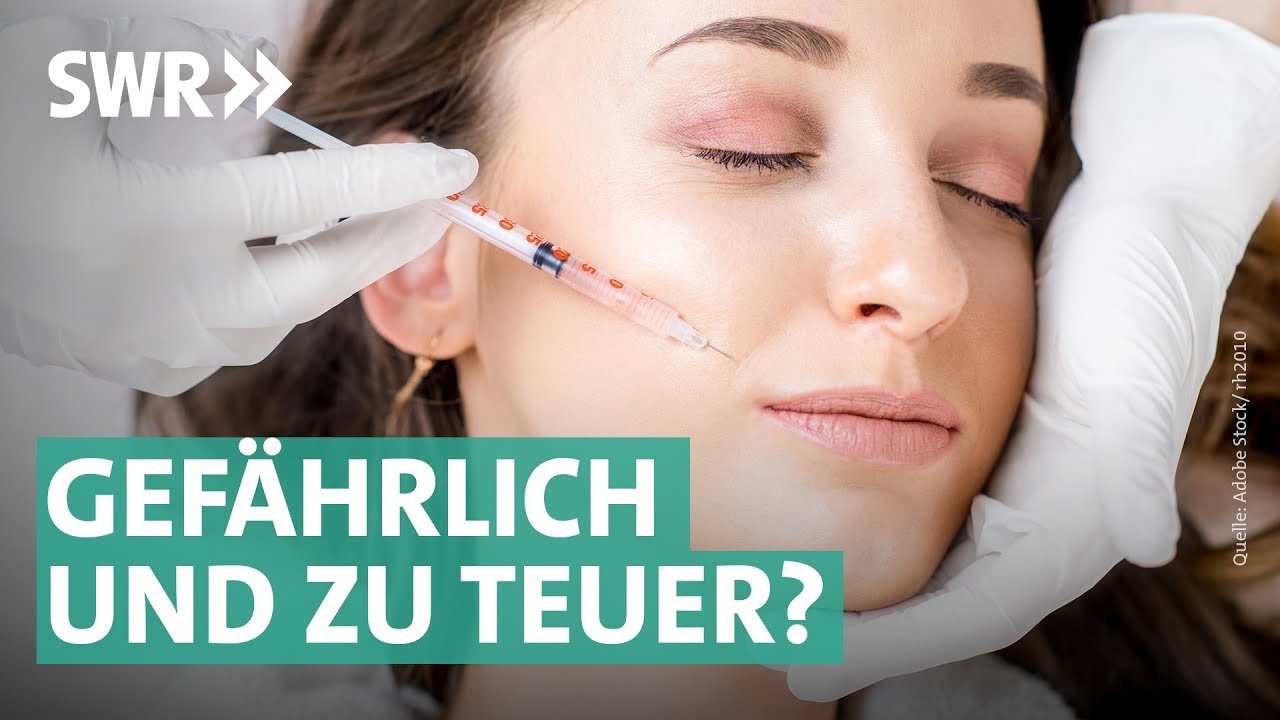
A typical botox session duration is short, often 15 to 30 minutes, though a first visit should allow more time for analysis and discussion. After photographs and movement mapping, your skin is cleaned. Markings go on lightly, you approve the plan, and the botox injection process begins. The needles are fine, more like a hair than a pin. Most people feel quick pinches and a dull pressure. Bruising risk is low but real, especially around the eyes and lips where vessels are abundant. Ice helps. Makeup can often be applied after a few hours, assuming the skin is intact.
The botox procedure steps are straightforward, yet they reward patience. Your provider injects, reassesses symmetry, and may add a unit here or there to balance. Charges are often by area or by unit. Ask how they handle touch-ups. A good botox clinic typically schedules a follow-up around two weeks to refine the result, especially on the first treatment.
Aftercare that actually moves the needle
You do not need a ritual, but you do need a few simple habits. Avoid heavy pressure on the treated areas for four to six hours. Skip a deep massage that day. Exercise is usually fine after the first half-day, though very vigorous workouts may be delayed until the next morning. Sleeping on your face is not a reason to panic, but turning to your back that first night is ideal if you can manage it. These small steps support even distribution and reduce swelling.
Bruises respond to arnica, and small raised bumps settle within minutes to hours. The botox treatment results develop gradually, so set a reminder to evaluate at day ten in consistent lighting. For your botox routine care, track when you first see movement returning. If your job requires expressive communication, aim for preemptive refreshers just before big events.
Combining botox and fillers without overdoing it
There is a well-tested sequence that keeps faces natural. Relax the overactive muscles first with botox anti wrinkle therapy. Reassess in two weeks. Fill only what still needs support or contour. That approach respects how muscles and volume counterbalance each other. For example, botox for facial balance in the perioral area can lift the mouth corners slightly, reducing the volume required at the marionette lines. For deeper folds, especially the nasolabial area, it is more natural to restore cheek support botox MI and soften the fold rather than to fill the crease itself aggressively. Done this way, a botox filler combination looks like a younger version of the same face rather than a different person.
Beyond wrinkles: therapeutic and functional uses
While this article focuses on aesthetics, botox medical treatment overlaps with function. Botox for migraines prevention is approved for chronic patterns and follows a standardized protocol across scalp, temples, neck, and shoulders. Botox migraine treatment and botox for tension headaches can reduce frequency and severity in eligible patients. For those with excessive sweating, hyperhidrosis treatment on the underarms, palms, feet, or scalp can be life-changing. Botox for scalp sweating helps with hair styling and comfort during presentations. Palms and soles require higher doses and may be more tender, but relief is tangible for months. These innovative botox uses expand the conversation beyond lines to quality of life.
The scalp, hairline, and the “blowout” effect
There is a niche but growing interest in botox scalp injections to reduce perspiration and help styling last in humid climates or under stage lighting. Spacing small doses across the scalp can cut sweat for three to five months. When patients ask about botox scalp rejuvenation, I clarify that we are not injecting for hair growth. The main benefit is dryness and comfort. For some with head pain triggered by tight ponytails or tension, botox for head pain in select muscles of the scalp and neck may help, though this should be based on a clinical assessment.
Calibrating dose: light touch vs full correction
Light botox injections can be perfect for first-timers and on-camera professionals. You keep most movement, just less crease depth. Full correction suits deep frown lines or those who prefer a glass-skin look in the upper face. There is no moral high ground in either choice. The key is matching dose to your goals and to your anatomy. Modern botox therapy embraces flexibility, from botox microdosing across the T-zone for oil control to full-strength treatment for a stubborn glabella.
If your face is asymmetrical, custom botox injections can balance differences. One brow often sits lower, one side of the smile may pull harder. Small dose adjustments refine facial balance without making the face look worked on. This is botox facial contouring at its most nuanced.
Risks, side effects, and how to avoid them
Most side effects are minor and short-lived: small bruises, a headache the first day, temporary tenderness. The rarer issues include eyelid ptosis if product diffuses into the levator, smile asymmetry if a cheek elevator is weakened, or a heavy brow if the forehead is over-treated. These risks fall with an experienced hand, proper placement, and realistic dosing. If something does not feel right, communicate early. Some effects can be managed while you wait for natural resolution, such as with targeted adjustments to counterbalance.
Allergies to the product are extremely rare. If you have a neuromuscular condition, are pregnant, or breastfeeding, defer treatment and discuss alternatives. Pre-treatment disclosure is not optional, it is essential for safe care.
" width="560" height="315" frameborder="0" allowfullscreen="" >
How I sequence a personalized botox plan
During consultation, I watch how you talk. I ask you to frown, surprise, squint, smile wide, then relax. I note which muscles dominate. Strong corrugators with a low brow call for firm glabella dosing and gentle, high forehead placement. A gummy smile calls for micro units lifting the upper lip, often paired with conservative filler for the philtral columns. Early jowling with active platysma benefits from neck bands treatment and a bit of jawline support. If you are oily with visible pores on the cheeks, I add a micro botox pattern to the T-zone for pore and sebum control.
We start conservative, especially around the mouth and eyes. Two weeks later, we fine-tune. Over three to four cycles, we settle into a rhythm that preserves your character while keeping the trouble lines quiet. That is a personalized botox plan, not a menu of syringes.
What results look like in real life
A patient in her late thirties, a trial lawyer who speaks all day, came in with a chronic frown and early forehead lines. We used a moderate glabella dose, a light, high forehead plan, and a modest crow’s feet treatment. She retained expression for cross-examination, but courtroom photos stopped catching deep furrows under fluorescent lights. Another patient, a marathoner in his forties with a square jaw from bruxism, used botox for teeth grinding. Three months later, he reported fewer morning headaches and a softer angle on his jawline without any sense of weakness while chewing. A makeup artist with oily skin opted for micro botox across the cheeks and nose. Her foundation lasted longer under studio lights, and close-up video showed fewer reflective hot spots.
These are not dramatic makeovers. They are examples of botox natural enhancement, the kind that reads as healthy, not “done.”
Maintenance, budgeting, and long-term thinking
Treatments every three to four months are typical, though micro patterns for oil control may be repeated on a similar cycle, and masseter slimming intervals can stretch to five to six months once the muscle responds. Build a calendar that fits your profession and life events. If you have a big shoot or wedding, time your appointment three to four weeks prior, which allows tweaking at two weeks and still leaves a week to settle.
Budgeting by priority helps. Many people find the most visible ROI in the glabella and crow’s feet. If you can only choose two areas, start there. Add the forehead as needed, then the lower face if mouth corners bother you. For long term botox benefits, steady, modest dosing usually outperforms sporadic, heavy corrections.
Skin care that complements results
Botox and skincare routine planning should be simple and effective. Pair your neuromodulator with a sunscreen you love, nightly retinoid or retinaldehyde if tolerated, and antioxidants in the morning. If dryness is your main complaint, support with a well-formulated moisturizer rather than expecting a botox hydration boost. Neuromodulators do not hydrate, though the smoother surface can look more reflective. For pigment, use targeted actives and consider energy devices or peels under professional guidance. The theme is synergy, not overkill.
Addressing common myths
People often worry they will not be able to move. Properly done, botox for facial relaxation reduces harsh contractions without shutting down expression. Another myth is that stopping botox makes you “worse.” When treatment ends, muscles wake up and you return to baseline, sometimes a bit better because you spent months not etching lines deeper. A third myth says Botox is only for women. Plenty of men benefit, usually with adapted patterns and doses that preserve masculine features and avoid a glossy look. Lastly, some believe dermal filler can replace botox wrinkle prevention. Filler adds volume and support, but it does not stop motion. They address different problems.
When to say no, or not yet
If your brows are already low and heavy, aggressive forehead dosing is a poor choice. If your skin laxity is significant, neuromodulator alone will not lift a jawline. If your expectations are tied to a filtered image that removes all texture, no injectable will make real skin look like that. There are times to focus on health, sleep, and skin quality first, then revisit botox contouring or relaxing patterns later. Good medicine includes the word no.
The quiet power of restraint
The most flattering work rarely announces itself. You look rested, your makeup sits better, photos feel kinder, and your face moves easily. Friends may ask if you changed your hair or slept well. That is the aim of modern botox therapy, a blend of targeted technique, conservative dosing, and respect for individual anatomy. It is possible to correct wrinkles precisely while keeping the warmth in your smile and the spark in your eyes.
If you are considering your first appointment or refining a long-standing routine, focus on three pillars: a qualified botox specialist who explains choices clearly, a personalized botox plan that matches your facial habits, and a maintenance cadence you can sustain. With those in place, botox wrinkle correction stops being a trend and becomes a reliable, professional tool for looking like your best, most relaxed self.